
How do you want to shop?
Blogs
How to Store Cannabis Edibles Safely

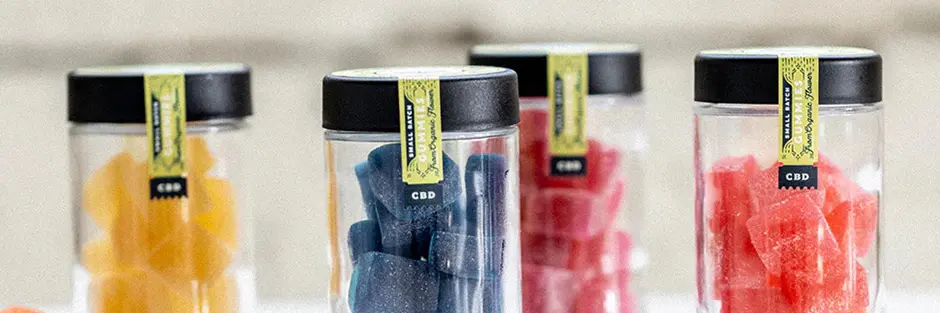
Knowing how to store cannabis edibles safely helps preserve their quality, texture, and potency while reducing the risk of accidental consumption. The right storage method depends on the type of edible, its ingredients, and its packaging.
In most cases, the best approach is simple. Keep edibles sealed, away from heat, moisture, and direct light. Store them securely and follow any storage instructions provided by the manufacturer.
Whether you have gummies, chocolates, brownies, or another cannabis-infused food, proper storage can help keep the product in good condition.
If you're exploring cannabis edibles at URB Cannabis, understanding proper storage can help you care for your products after purchase. Read on to learn the best cannabis edible storage methods, what affects cannabis edible shelf life, and when refrigeration or freezing may make sense.
Why Do You Need to Store Edibles Safely?
Proper storage helps protect both the product and the people around you. Cannabis edibles can gradually change when exposed to unfavorable conditions. They can also look like ordinary snacks, which creates a safety concern in homes with children or pets.
Health Canada warns that accidental poisonings from edible cannabis are a serious risk. Its guidance notes that many reported cases involve children under 12, with most involving children under 5. The agency recommends keeping cannabis locked away, out of sight and reach, and separate from regular food and drinks.
Protecting Against Degradation
Cannabis edibles can lose some of their original quality when stored poorly. Changes may affect an edible's flavor, texture, appearance, or freshness.
Proper storage helps limit unnecessary exposure to conditions that can affect the product. Keep the package closed between uses and follow the storage directions on the label.
A few simple habits can protect your edibles:
- Keep them away from direct sunlight.
- Avoid hot areas and temperature extremes.
- Keep packaging closed between uses.
- Follow the storage directions on the product label.
Preventing Accidental Consumption
Many cannabis edibles look similar to regular foods. Gummies, chocolates, candies, brownies, and other baked goods can be difficult to identify once removed from their original packaging.
Keep cannabis-infused foods separate from regular food and drinks. If you transfer an edible to another container, clearly label it so nobody mistakes it for an ordinary snack. Keeping the original product information with the edible can also help identify it later. Specific storage measures for keeping cannabis away from children and pets are covered later in this guide.
Maintaining Potency Over Time
Cannabis edible potency can change as a product ages. Storage conditions can influence how quickly these changes occur, although no storage method can prevent changes indefinitely.
Keeping products properly sealed and following the recommended storage conditions can help maintain their original quality. For commercially packaged edibles, check the manufacturer's storage instructions and any expiration or best-by information on the package.
Ideal Conditions for Storing Your Cannabis Edibles
For most cannabis edibles, a cool, dry, dark, and stable storage environment is a practical choice. A pantry or cupboard can work well when the product is designed for room-temperature storage.
Choose a location away from windows, ovens, stovetops, sinks, and other areas that experience heat or moisture. Avoid places with frequent temperature or humidity changes.
The product label should always take priority. Some cannabis-infused foods require refrigeration because of their ingredients, while others are designed for room-temperature storage.
Cannabis Edible Storage Quick Guide
|
Storage Factor |
Best Practice |
What to Avoid |
|
Temperature |
Keep products in a stable environment suited to the edible |
Extreme heat and frequent temperature changes |
|
Humidity |
Use a dry storage area and keep products properly sealed |
High-humidity areas and excess moisture |
|
Light |
Store edibles away from direct sunlight |
Windowsills and prolonged direct light |
|
Packaging |
Keep products sealed in their original packaging when possible |
Leaving packages open or using unsuitable containers |
|
Location |
Use a suitable cupboard or pantry when appropriate |
Areas near ovens, sinks, or heat sources |
Temperature can affect the texture, appearance, and freshness of cannabis edibles. High temperatures may soften gummies, melt chocolate, or change the consistency of other products.
Avoid storing edibles in hot locations such as cars, windowsills, or areas near ovens and stovetops. Frequent temperature changes can also affect some products, especially chocolate and other temperature-sensitive foods.
For products intended for room-temperature storage, choose a cool and stable location. If the label calls for refrigeration, follow those instructions instead. There is no single storage temperature that works for every cannabis edible.
For homemade or perishable edibles, temperature also matters for food safety. Foods that require refrigeration should be refrigerated according to standard food-safety practices. Follow the storage requirements for the ingredients used and any instructions provided with the product.
Understanding Humidity's Impact
Moisture can affect the texture and freshness of cannabis edibles. Excess humidity may make gummies and candies sticky. For some foods, moisture can also contribute to mold or spoilage.
Choose a dry storage location and keep products properly sealed. Avoid storing edibles in areas with frequent humidity changes, such as bathrooms or directly beside sinks.
The type of edible also matters. A shelf-stable gummy has different moisture concerns from a homemade brownie containing perishable ingredients. For homemade or perishable foods, follow the same food-storage practices used for similar non-infused foods.
UNDERSTANDING
HUMIDITY'S IMPACT
Humidity plays a big role in the
freshness, texture,
and safety of your cannabis edibles.
MOISTURE
MATTERS
Moisture can affect the texture and freshness of cannabis edibles.
EXCESS HUMIDITY
May make gummies and candies sticky.
POTENTIAL RISKS
For some foods, moisture can contribute to mold or spoilage.
STORE IN A
DRY PLACE
Choose a dry storage location and keep products properly sealed.
AVOID HIGH-HUMIDITY AREAS
Bathrooms
Beside Sinks
Seal it right.
Keep it fresh.
THE TYPE OF
EDIBLE MATTERS
Different edibles have different moisture needs.
SHELF-STABLE GUMMIES
Lower moisture risk when kept sealed.
HOMEMADE BROWNIES
Contain perishable ingredients—higher moisture concern.
FOLLOW FOOD STORAGE BASICS
For homemade or perishable edibles, follow the same food-storage practices used for similar non-infused foods.
KEEP IT COOL
Refrigerate when needed.
USE AIRTIGHT CONTAINERS
Minimize air and moisture exposure.
CHECK SHELF LIFE
Consume within the recommended time frame.
INSPECT BEFORE EATING
Look for changes in texture, color, or odor.
Light Exposure and Edible Shelf Life
Prolonged exposure to strong light can affect the quality of cannabis products over time. Direct sunlight can also heat the product, creating an additional storage problem for heat-sensitive edibles.
For that reason, store cannabis edibles in a dark or low-light location when possible. A closed cupboard or pantry can work well for products intended for room-temperature storage.
Avoid leaving edibles on windowsills, countertops, or other locations where they receive direct sunlight for long periods. Keeping the product in its original packaging can also help limit unnecessary exposure. Light is only one part of proper cannabis edible storage. Temperature, moisture, packaging, and the product's ingredients also affect how well an edible holds its quality.
Choosing the Right Containers for Cannabis Edibles
The container you use can help protect cannabis edibles after opening or when additional storage protection is needed. A suitable container should keep the product clean, limit unnecessary exposure to air and moisture, and fit the type of edible you are storing.
For commercially packaged products, however, you do not always need to transfer the edible. The original packaging may already provide the protection and product information you need.
Original Packaging vs. Storage Containers
Keeping cannabis edibles in their original packaging can make storage easier. The package typically includes the product name, THC information, expiration or best-by details, and storage instructions.
Original packaging may also include child-resistant features. Health Canada recommends keeping cannabis products in their original child-resistant packaging when possible.
If you move an edible into another container, keep its indentifying information with it. Clearly label the new container so nobody mistakes the product for regular food.
Airtight and Moisture-Resistant Containers
An airtight, food-safe container can provide an extra barrier against air and moisture. This can be useful after opening a package or when the original packaging no longer seals properly.
Choose a food-safe container that fits the product without crushing or damaging it. A secure seal can help limit exposure to air and moisture after opening. The container should also be opaque or stored in a dark location if the edible needs protection from light.
However, the container should complement proper storage rather than replace it. An airtight container cannot make a perishable edible shelf-stable or prevent a product from melting in excessive heat.
How Long Do Cannabis Edibles Last?
There is no single shelf-life period for every cannabis edible. Commercial products have their own expiration or best-by information, while homemade edibles depend more heavily on their ingredients and preparation. Packaging, storage conditions, and whether the product has been opened can also affect how long it remains fresh.
Commercially packaged products should follow the manufacturer's expiration or best-by information. Proper cannabis edible storage can help maintain quality during that period, but it does not make the product last indefinitely.
Homemade edibles can have different shelf-life considerations. Ingredients such as dairy, fresh fruit, eggs, or cream may make some homemade products more perishable than commercially packaged edibles.
Factors That Affect Edible Shelf Life
Several factors can influence cannabis edible shelf life:
-
Ingredients: Dairy, fresh fruit, cream, and other perishable ingredients can shorten shelf life.
-
Moisture content: Foods with more moisture may have different spoilage risks than dry, shelf-stable products.
-
Packaging and opening: A properly sealed, unopened package provides more protection than a product that has been exposed to the surrounding environment.
-
Storage conditions: Heat, moisture, and direct light can affect product quality.
-
Product formulation: Commercially produced edibles may have different shelf-life characteristics from homemade products.
-
Manufacturer instructions: The product label should take priority over general storage advice
For that reason, avoid applying a fixed shelf-life estimate to every edible. A packaged gummy, chocolate bar, and homemade brownie may have very different storage requirements.
Storage Before and After Opening
An unopened package generally provides the most protection because the product remains sealed according to its original packaging.
Once opened, reseal the package after each use. This helps limit unnecessary exposure to the surrounding environment.
If the original package no longer closes properly, transfer the product to a suitable food-safe container. Keep the product label or other identifying information available so you can still follow its storage instructions and track its shelf life.
Navigating the Freezing of Cannabis Edibles
Freezing can be an option for some cannabis edibles when you need to store them for longer periods. However, it is not the right method for every product.
Freezing may affect texture, particularly in foods with delicate ingredients. Some baked goods may freeze well, while gummies, chocolate, or products with certain fillings can change after freezing and thawing.
Before freezing a commercially packaged edible, check the manufacturer's storage instructions. For homemade products, consider the ingredients and use appropriate food-storage practices. If you decide to freeze an edible, proper packaging is important. The product should be protected from freezer air, moisture, and odors to help maintain its quality.
Best Practices for Freezing
Use freezer-safe packaging when storing cannabis edibles in the freezer. The packaging should create a good seal and help protect the product from freezer burn, moisture, and unwanted odors. For individual pieces, separating them before freezing can help prevent them from sticking together. You can then place them inside a sealed freezer-safe container for another layer of protection.
Label the package before freezing it, especially if you remove the product from its original packaging. Include the product name and storage date so you can identify it later. Freezing does not replace proper food safety. If an edible was already spoiled before freezing. Freezing it will not make it safe to eat.
Thawing Procedures for Best Quality
How you thaw a frozen edible can affect its texture and appearance. A gradual temperature change can help reduce condensation and other unwanted changes.
1. Thaw the sealed package gradually: For products that can be refrigerated, move the sealed package from the freezer to the refrigerator and allow it to thaw gradually. Keep the package closed during thawing to limit condensation.
2. Check the product after thawing: Once thawed, follow the product's normal storage instructions. Check for unusual changes before consuming it, and discard the edible if you notice mold or clear signs of spoilage.
Identifying Edibles Suitable for Freezing
Whether an edible is suitable for freezing depends largely on its ingredients and texture. Some baked goods may tolerate freezing well, while delicate products can change after being frozen and thawed.
Chocolate can develop changes in appearance or texture after temperature fluctuations. Gummies may also become firmer, softer, or otherwise different after thawing.
Products containing dairy, cream, fresh fruit, or other perishable ingredients may have specific refrigeration or freezing requirements. Check the product label when available, and use standard food-storage practices for homemade products.
When the manufacturer does not recommend freezing, there is little reason to use it simply because you want to extend storage.
Storing Different Types of Cannabis Edibles
Cannabis edibles come in different forms, and their ingredients can affect how they should be stored. A storage method that works for gummies may not provide the same results for chocolate or baked goods. Also, products from trusted cannabis brands can give consumers more options when choosing different edible formats.
Cannabis Gummies and Candies
Gummies and candies can change texture during storage, particularly when exposed to unsuitable conditions. Keep them sealed and follow the storage directions provided on the package.
For products intended for room-temperature storage, choose a cool, dry location away from direct light. Avoid leaving gummies in hot vehicles or other areas where temperatures can rise significantly.
Cannabis Chocolates
Chocolate is particularly sensitive to heat. High temperatures can cause it to soften or melt, while repeated temperature changes can affect its appearance and texture.
Keep cannabis chocolate in its original packaging when possible and away from direct sunlight or heat sources. If the product recommends refrigeration, follow those instructions rather than assuming every chocolate product needs to be refrigerated.
Cannabis Brownies and Baked Goods
Baked goods require more attention to their ingredients. A commercially packaged brownie may be shelf-stable, while a homemade brownie may contain ingredients that require refrigeration.
Follow the manufacturer's storage instructions for packaged products. For homemade cannabis brownies and other baked goods, use the same food-storage practices you would use for comparable non-infused foods.
URB Cannabis has multiple dispensary locations across Michigan, where adult consumers can explore a range of cannabis products, including gummies, chocolates, and other edibles.
Common Cannabis Edible Storage Mistakes to Avoid
A few simple mistakes can affect cannabis edible storage and household safety. Avoid these common problems:
-
Leaving edibles in direct sunlight
-
Storing products near ovens or other heat sources
-
Leaving opened packages unsealed
-
Ignoring the manufacturer's storage instructions
-
Assuming every edible needs refrigeration or freezing
-
Transferring products without keeping their identifying informatio
-
Storing cannabis edibles alongside ordinary snacks
-
Leaving cannabis products where children or pets can access them
Using the storage method recommended for the specific product is the easiest way to avoid these problems.
How to Tell If Cannabis Edibles Have Gone Bad
Cannabis edible freshness can change over time, especially when a product has been stored outside its recommended conditions. Before consuming an older edible, check its appearance, texture, and smell.
Some changes affect quality rather than indicating spoilage. However, visible mold, unusual odors, or other clear signs of contamination should not be ignored.
Changes in Appearance, Texture, or Smell
Look for unusual changes that do not match the product's normal appearance. These may include unexpected discoloration, an unusual odor, significant texture changes, or visible contamination.
The type of edible matters. For example, chocolate may develop surface changes after temperature fluctuations. A change in appearance does not always indicate spoilage. Consider the type of edible, its storage history, and the product's other characteristics before deciding whether to discard it.
Consider the product's storage history and expiration or best-by information as well. When you cannot determine whether the product remains suitable to consume, it is safer to discard it.
Mold and Signs of Spoilage
Visible mold is a clear reason to discard an edible. Do not simply remove the moldy portion from a soft or moist food and eat the rest.
Other warning signs can include an unusual smell, excessive moisture, leaking, or other obvious signs of spoilage.
For homemade or perishable edibles, follow normal food-safety practices for the ingredients involved. Cannabis does not prevent food from spoiling.
Keeping Your Edibles Safe from Kids and Pets
Cannabis edibles should always be stored where children and pets cannot access them. Gummies, chocolates, candies, and baked goods can look like ordinary food, increasing the risk of accidental consumption.
Health Canada recommends keeping cannabis locked away and out of sight and reach of children and pets. It also recommends keeping edible cannabis separate from regular food and drinks.
Keep commercially packaged cannabis products in their original child-resistant packaging whenever possible. If you transfer an edible to another container, clearly label it and keep the product information with it.
A locked cabinet, lockbox, or safe can provide an additional layer of protection, especially in homes where children or pets may have access to common storage areas. The CDC also recommends storing cannabis-containing edibles in their original packaging and in locked cabinets to reduce the risk of accidental exposure.
The Bottom Line: How to Store Cannabis Edibles Safely
The best way to store cannabis edibles is to follow the product's storage instructions and protect the edible from conditions that can reduce its quality. Keep products properly sealed and choose a storage location that suits the specific edible. When the manufacturer provides specific storage directions, those instructions should take priority over general advice.
Commercial products should remain in their original packaging when practical. If you need another container, choose a suitable food-safe option and keep the product clearly identified.
Most importantly, store cannabis edibles securely away from children and pets. Good storage protects both the product and the people in your household. If you have questions about products or need additional information, contact URB Cannabis for assistance.
Frequently Asked Questions (FAQs)
How Long Do Cannabis Edibles Last?
Cannabis edible shelf life varies by product, ingredients, packaging, and storage conditions. Check the manufacturer's expiration or best-by information and follow the storage instructions provided with the product.
Should Cannabis Edibles Be Refrigerated?
Not all cannabis edibles need refrigeration. Some products are designed for room-temperature storage, while others may require refrigeration because of their ingredients. Always follow the product label.
Can You Freeze Cannabis Edibles?
Some cannabis edibles can be frozen for longer-term storage. However, freezing can change the texture of certain products. Check the manufacturer's instructions before freezing an edible.
What Is the Best Container for Cannabis Edibles?
For commercially packaged products, the original packaging is often the best option. If another container is needed, choose a food-safe container that seals securely and keeps the product protected.
Do Cannabis Edibles Lose Potency Over Time?
Cannabis edible potency can change over time. Proper storage can help maintain product quality, but it cannot stop changes indefinitely. Follow the manufacturer's storage instructions and applicable shelf-life information.
How Should You Store Cannabis Edibles After Opening?
After opening, reseal cannabis edibles properly and follow the storage instructions on the package. If the original packaging no longer closes securely, use a suitable food-safe container and keep the product information with it.
References:
-
Centers for Disease Control and Prevention. (2025). PCPHCoP newsletter: Holiday poisonings.
-
Food and Drug Administration. (2022, June 16). FDA warns consumers about the accidental ingestion by children of food products containing THC. U.S. Department of Health and Human Services.
-
Food and Drug Administration. (2024). FDA regulation of cannabis and cannabis-derived products, including cannabidiol (CBD). U.S. Department of Health and Human Services.
-
Food and Drug Administration. (2024). 5 things to know about delta-8 tetrahydrocannabinol—Delta-8 THC. U.S. Department of Health and Human Services.
-
Health Canada. (2025). Safe storage of cannabis. Government of Canada.
-
Health Canada. (2025). Infosheet: Store your cannabis safely. Government of Canada.
-
Health Canada. (2020, January 16). Council of Chief Medical Officers of Health (CCMOH) statement on cannabis extracts, edibles and topical products. Government of Canada.
-
Health Canada. (2025). Consumer information: Cannabis. Government of Canada.
-
National Capital Poison Center. (2024). My child ate a cannabis edible. Poison Control.
-
National Capital Poison Center. (2024). Cannabis: Risks and effects. Poison Control.
Recent Post